
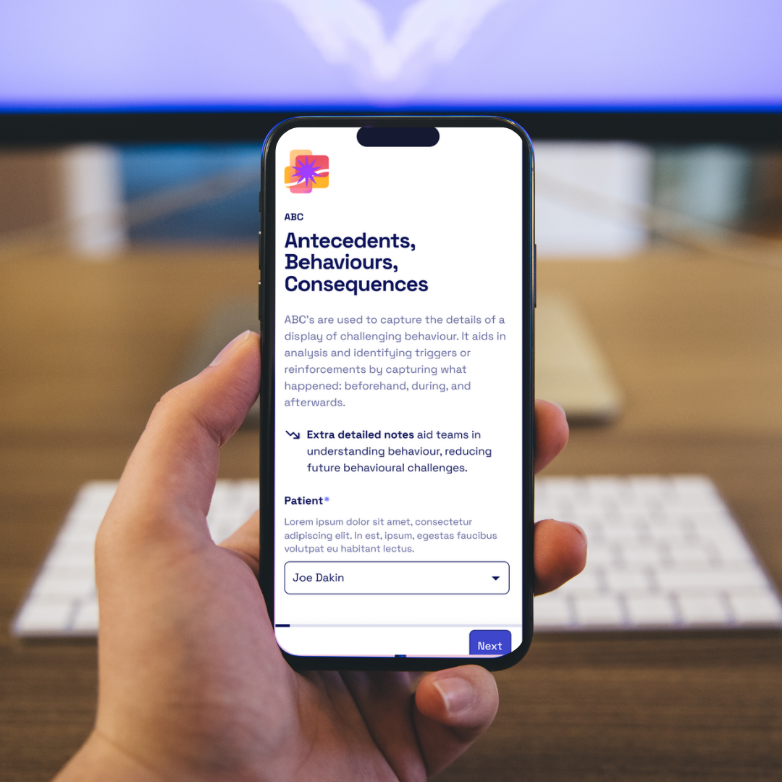
Liverpool University Hospitals, part of the University Hospitals of Liverpool Group (UHL Group) is seeing continuing to see excellent results from the introduction of Melo, a digital tool designed to improve care for patients living with dementia by tracking behaviours and supporting staff in making informed care decisions.
Dementia affects more than 900,000 people in the UK, impacting memory, thinking and behaviour. For patients, this can lead to feelings of distress and disorientation, while hospital teams face challenges in providing personalised care.
To help address this, the organisation has partnered with Decently, a North West based technology company, to introduce Melo across its hospitals. The app enables staff to identify behaviour triggers and tailor care to meet individual patient needs.
Since the trial began, teams have completed over 16,000 behaviour assessments using Melo, with more than 500 active staff members using the app across Aintree University Hospital, Royal Liverpool University Hospital and Broadgreen Hospital. Staff report that the app has improved decision-making and streamlined discharge planning, helping patients receive more personalised care and ensuring smoother transitions to community services.

Ged Jennings, Acute Liaison Nurse and Behaviours of Concern project lead at UHL Group, said: “Seeing so many staff using Melo and hearing their positive feedback is fantastic. It’s helping us understand our patients better and improve their experience in hospital.”
Dr Andrew Rose, Assistant Director of Innovation at UHL Group, added: “It’s great to see Melo being adopted across our hospitals to support patient care and improve discharge. The Innovation team at Liverpool University Hospitals supports projects like Melo to improve patient care, support staff and make hospital services more sustainable.”
James Chapman, Co-founder of Decently, commented: “Watching how quickly teams across UHL have embraced Melo has genuinely blown us away. The project has already taught us a huge amount about how the platform can support people living with dementia - especially given that Melo was originally built for brain injury services. We’re excited to keep working closely with the clinical teams over the coming months as we refine, develop and evaluate the app together.”
Melo will continue to roll out across Hospitals within UHL Group and is being updated based on staff feedback. These improvements ensure the app remains practical, easy to use and valuable for clinical teams - helping deliver better care for patients living with dementia.