Join Our Big Conversation
We have a once in a generation opportunity to make bold changes and transform patient care for the future.
A lot has changed since the NHS was founded 78 years ago. Using population health data, we have developed a strategy that sets out how our services and the way we deliver them can be shaped to meet the needs of people today.
Our strategy is ambitious, but rethinks how and where care should be delivered, to improve the health and quality of lives of the communities we serve, in Liverpool and the wider city region.
The strategy sets out what we need to do and now we need your views on how we do it.
Learn more about our plans for the future
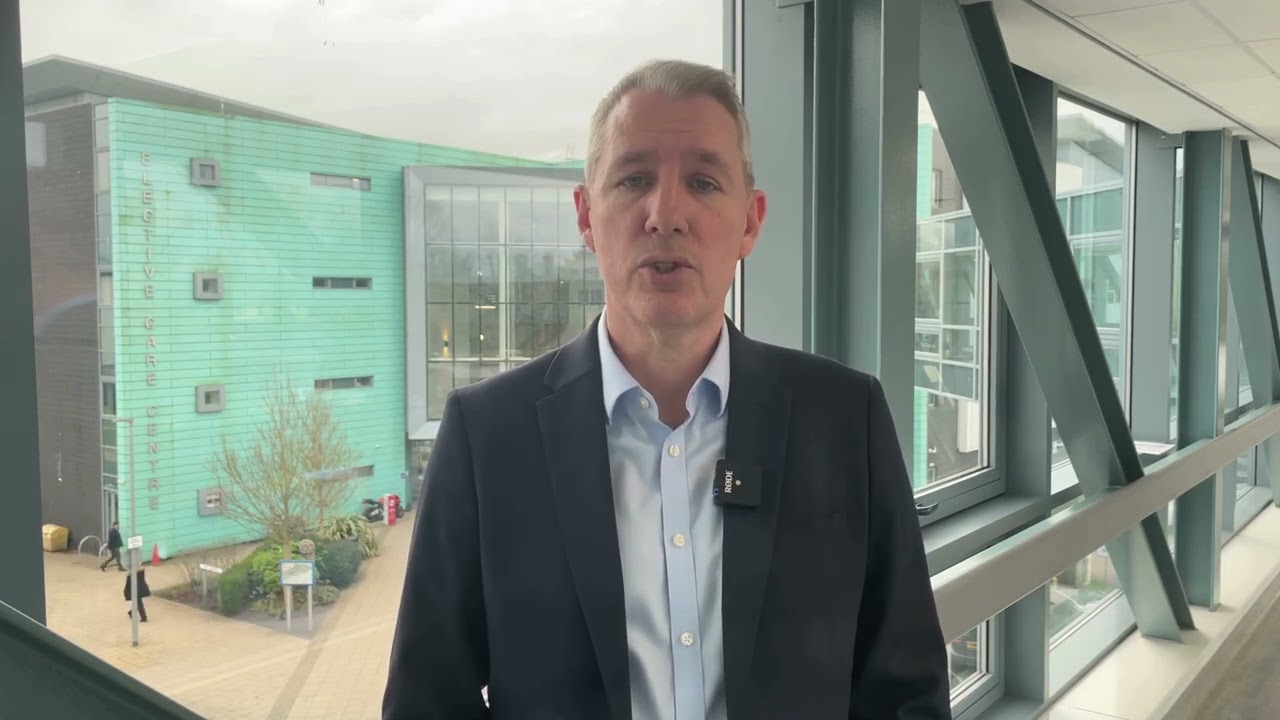
In this video, our Chief Executive, James Sumner, explains the thinking behind our new strategy and why we need to hear from you.
On this page you can find out more about our strategy, including:
- A full draft of the strategy
- A summary of the strategy
- An accessible overview of the strategy
- Case studies of areas of work where our teams are already putting the strategy into action.
The animation below summarises the three models of care which are set out in the draft strategy, and which inform our priorities for the next five years.
| Thumbnail | Title | Date Posted | Size |
|---|---|---|---|
 |
Our Five Year Plan accessible overview FINAL | 05/03/2026 | 3.11 MB |
|
UHL 2030 strategy summary FINAL | 05/03/2026 | 1.46 MB |
|
UHL 2030 draft five year strategy FINAL | 06/03/2026 | 2.34 MB |
There are already many examples of some of the great work we are doing that align to our strategy and objectives. Below are some case studies which highlight new and innovative ways of working, and the positive impact they have on our communities.
Shifting COPD and asthma diagnosis from hospital to communit
People in Liverpool living with asthma and COPD will benefit from a new respiratory improvement programme developed by the UHL Group and partners across the region. Supported by £300,000 from NHS England’s Pathway Transformation Fund, the initiative reflects our commitment to using research and innovation to improve patient care, reduce inequalities and strengthen staff capability.
A central ambition of the programme is expanding access to high‑quality spirometry, the breathing test essential for diagnosing asthma and COPD.
These tests have traditionally been carried out in hospital settings, often resulting in delays for patients due to capacity constraints. The new approach will bring spirometry closer to patients, providing in-practice spirometry undertaken by accredited physiologists. This shift aims to support earlier and more accurate diagnosis, reduce pressure on hospital clinics and help integrate innovative approaches into day‑to‑day NHS services.
Primary care clinicians will receive enhanced training and support, helping build a sustainable respiratory workforce across Liverpool. By strengthening skills and confidence in GP practices, more people will be able to access appropriate treatment sooner, improving both patient and staff experience and supporting the long‑term sustainability of services.
Dr Justine Hadcroft, leading the project at the Royal Liverpool University Hospital, said: “By working closely with local communities and health teams, we want to make a real difference to people’s lives, so that the diagnosis of respiratory conditions is quicker and easier, and so that community services and patients alike are better equipped to manage their conditions, thereby reducing Emergency Department attendances and hospital admissions related to respiratory conditions.”
The programme also hopes to make better use of data to support clinical decision making and ensure smoother coordination across the health system. Improved information sharing between primary, community and hospital teams will help create more joined‑up, equitable care pathways, directly supporting the Group’s ambition to tackle health inequalities and offer high‑quality services to all communities.
This work is being delivered with partners across Liverpool, Cheshire and Merseyside, including Central Liverpool Primary Care Network, Liverpool Place, Liverpool Heart and Chest Hospital, NHS Cheshire and Merseyside, NHS England North West and Health Innovation North West Coast, reflecting the Group’s role in a world‑class regional health and academic system.
Using AI to transform skin cancer diagnosis
A new AI enabled NICE approved diagnostic pathway is transforming how suspected skin cancer is assessed and managed within the Dermatology service at Broadgreen Hospital and Aintree University Hospital.
Developed in partnership with Skin Analytics, the pathway uses DERM (Deep Ensemble for Recognition of Malignancy), an AI system that analyses high resolution images of skin lesions to support earlier and more accurate identification of risk.
The pathway centres on four dedicated photo hubs within the community, where trained staff capture specialist images that are analysed by DERM and then reviewed by human dermatologists; in time this will become an autonomous pathway. This approach enables teams to triage patients more quickly, ensuring those requiring face to face assessment or urgent treatment are prioritised. It also reduces unnecessary appointments, avoids additional trips to hospital and provides personalised care closer to home.
By enabling earlier decisions and improving the speed of assessment, the AI supported model contributes to the NHS 28 day Faster Diagnosis Standard, while strengthening the Group’s ability to meet rising demand without compromising service delivery.
Dr Andrew Rose, Assistant Director of Innovation at UHL Group, said: “This work directly reflects the Group’s strategic ambitions to transform care by creating service pathways that enable more rapid diagnosis and treatment. By integrating innovative technologies into day to day clinical services, we are adopting technologies that enhance patient care, support staff and increase service productivity.”
How can I share my views?
You can complete a short survey online by clicking here.
The survey is open until 5pm on Thursday 2 April 2026.
Our Big Conversation is the first of a series of opportunities for you to share your views on the vision set out in our strategy. To register for future engagement events and opportunities, please join our Engagement Partner Programme.