
As one of the only trusts in the UK dedicated to the care of women, we understand the sensitivities of female health and offer a comprehensive range of gynaecology services. Put simply, gynaecology is the clinical area focused on the health of the female reproductive system.
Specialist services
As well as providing a specialist service for urogynaecology - bladder and prolapse conditions - and miscarriage, we are the specialist regional centre for cancer services, known as gynaecology oncology within the Merseyside and Cheshire Cancer Network.
We also have a 24-hour Gynaecology Emergency Department giving rapid access to medical treatment for women who experience a gynaecology emergency including the early stages of pregnancy.
Additionally, we have an Early Pregnancy Assessment Unit open Monday to Friday 8.00am-4.00pm by appointment which is through a self referral phone line on 051 702 4469 or having been assessed in the Gynaecology Emergency Department, an ultrasound scan will form part of your appointment.
Dedicated care
Our team at Liverpool Women’s University Hospital includes many specialists which, as well as consultants, include highly experienced Consultant Nurses who lead many of the gynaecology clinics and procedures.
Whether you are an inpatient on our wards, a day patient or an outpatient at one of our clinics you can rest assured that you will be cared for by a team of professionals who will ensure you receive the best possible treatment, the utmost care and the best medical attention.
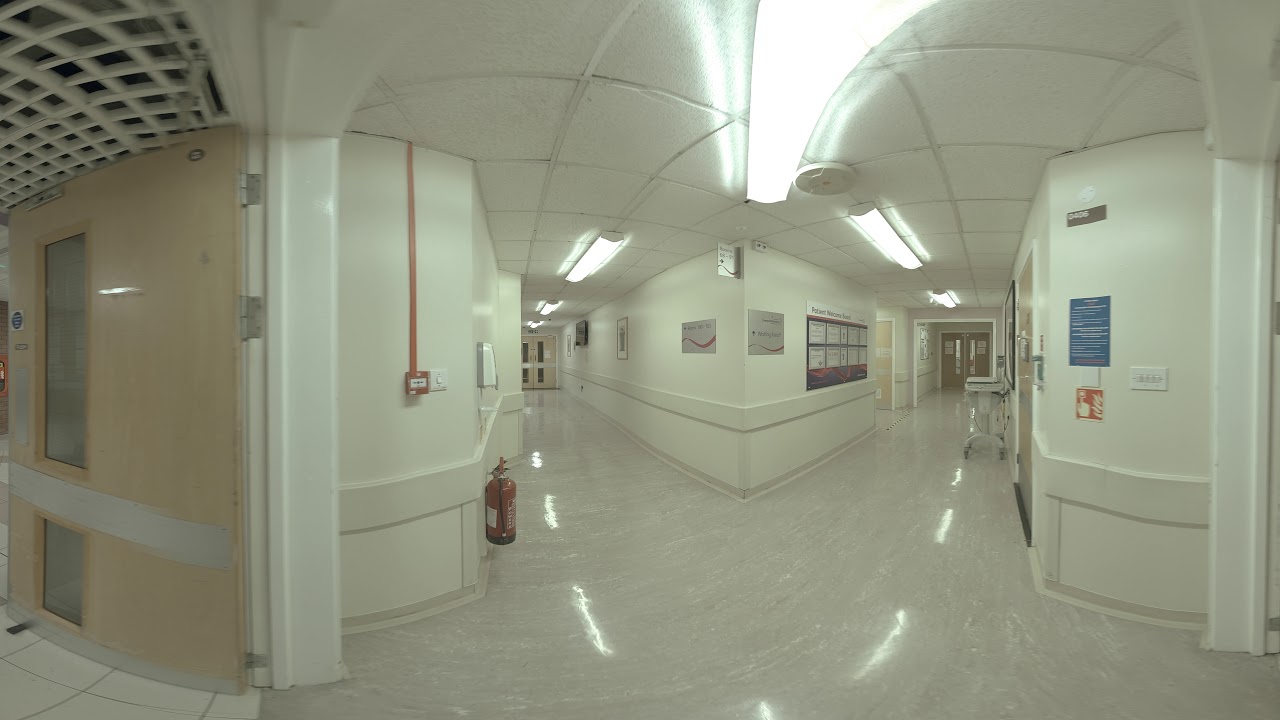
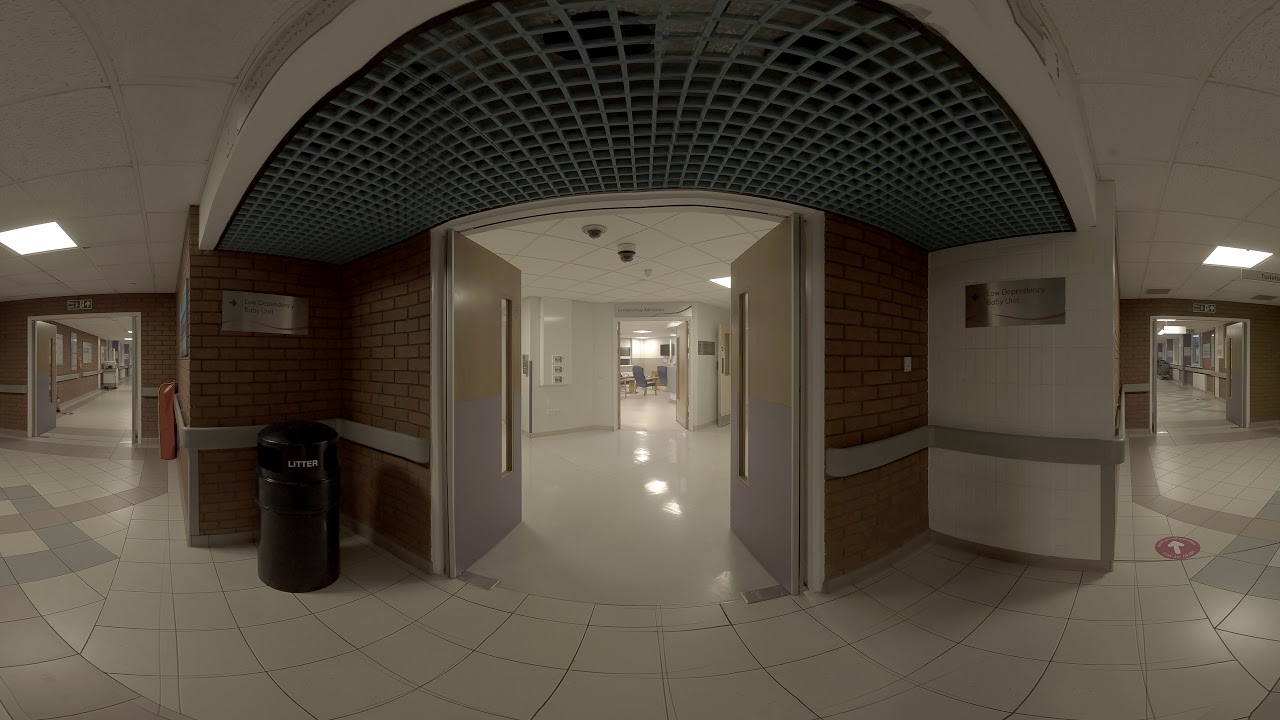
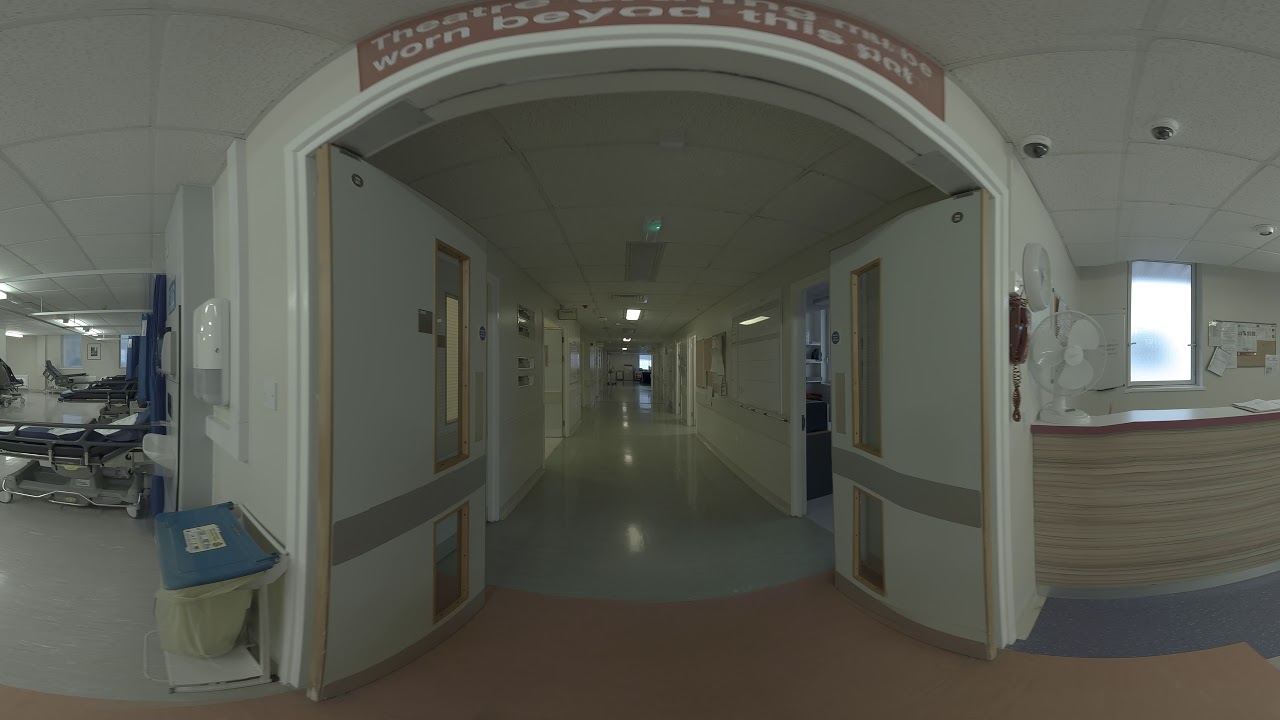
Virtual tour
To take a virtual reality tour, watch the short video below (to enlarge the screen click the [ ] icon in the bottom right hand corner). To watch in full VR resolution to get the full experience take a look at the how to guide here.
More information
We treat all our patients as individuals and your referral to us will be handled with sensitivity and in a professional manner in keeping with the values of Liverpool Women’s. If you should need to come into hospital for surgery will we do all that we can to make sure that your stay you and your family are offered the support you need and that your stay is as comfortable as possible.
Patient welfare
From the first visit to Liverpool Women’s through to any follow-up treatment and the time you leave our care, your welfare is extremely important to us. The same applies whether you come into hospital or visit one of clinics. The team at Liverpool Women’s is multi-disciplinary and combines leading consultants, specialist nurses and clinicians such as radiologists and physiotherapists.
Patient support
Preparing to come into hospital can be a stressful time for patients and their families. That’s why we have created dedicated areas of our website for patients and for families to provide all the necessary information you and your family will need for visiting one of our clinics, coming into hospital, during your stay and when preparing to leave for home.
Should you need any additional information relating to the procedure or investigation you may be having or the condition for which you are being treated, please visit the patient information area of the website.
If there are any unanswered questions about your treatment and stay with us, then please ask a member of staff on your ward or in clinic.
Alternatively you can contact us by phone.
-
Liverpool Women’s University Hospital
Address: Liverpool Women’s University Hospital
Crown Street
Liverpool
L8 7SS
- Active surveillance of Cervical Intraepithelial
- Ambulatory Hysteroscopy leaflet
- Bringing medication into hospital before surgery
- Bedford centre consultation
- Care after cancer of the vulva
- Care after cancer of the ovary
- Care after cancer of the cervix
- Cancer of the Womb
- Caring for your surgical wound
- Cervical Ectopy
- Coagulation Treatment
- Corticosteroid treatment in Hyperemesis gravidarum
- Diagnostic Laparoscopy
- Discharge Advice from the Vulval Clinic
- Early Diagnosis Support Worker
- Early Medical Abortion Commenced at LWH (Up to 9 Weeks + 6 Days -Tablet Method) LWH
- Endometriosis
- Female Sterilisation
- General Care of the Vulval Skin
- Having a Cervical Biopsy
- Having a LLETZ Treatment
- How to Check Your Coil Threads after a Coil Fit Copper Coil or Hormonal Coil
- Hysteroscopy Clinic
- Honeysuckle Team - General Patient information leaflet
- Honeysuckle Team - General Patient
- Info following procedure on Ambulatory Care
- Laparoscopic Gonadectomy
- Care after Cancer of the Womb
- Medical Management of your miscarriage as an outpatient
- Management of your miscarriage
- Medical management of ectopic pregnancy and pregnancy of unknown location (PUL)
- Manual Vacuum Aspiration (MVA) for Termination of Pregnancy
- Manual Vacuum Aspiration (MVA) for Termination of Pregnancy LWH
- Metformin Tablets 500mg or 850mg
- Outpatient Hysteroscopy
- Patient Fasting Letter
- Patient Initiated Follow Up Information for Patients and Carers
- Patients presenting to the Gynaecology Emergency Department (GED) with problems related to their Intrauterine Device (IUD)
- Patients presenting to Gynaecology Emergency Department (GED) with symptoms following their gynaecology surgery or procedure
- Patients presenting to the Gynaecology Emergency Department (GED) with urinary symptoms
- Preventing a pressure ulcer and caring for my surgical wound during and after a stay in hospital
- Pelvic Pain and Vaginal Bleeding
- Pre Term Labour LWH
- Preventing a pressure ulcer during admission gynaecology
- Preventing a pressure ulcer during delivery
- Progesterone in Pregnancy
- Prostap® for Pre-Menstrual Dysphoric Disorder
- Reviewing your cervical cancer history
- Remifentanil Information leaflet
- Rokitansky Syndrome
- Support and Guidance Following Your Loss
- Surgery for Vulval Cancer
- Robotic Surgery for Endometrial Cancer
- Surgical Termination of Pregnancy LWH
- surgical treatment womb cancer
- Taking Opioids to Manage Pain in Cancer
- Urgent Suspected Cancer Clinic
- Testosterone as part of HRT
- Vulval Swelling and Ulcers
- Your Colposcopy Appointment
- Vaginal Pessary
- Urogenital Atrophy LWH
- What to bring with you for your miscarriage when you need to stay in hospital LWH
- Your Questions Answered
At the University Hospitals of Liverpool Group, we believe in putting patients’ emotional safety and dignity at the heart of care. During the next couple of months we are piloting the #CheckWithMeFirst trauma-informed cards in three pilot settings — to help those who have experienced trauma feel safer, more understood, and more empowered when accessing health services.
What are #CheckWithMeFirst Cards?
The #CheckWithMeFirst initiative, developed by The Survivors Trust and Healthwatch Liverpool, offers wallet-sized trauma information cards which you can discreetly show to healthcare staff to indicate that you have experienced sexual trauma and may benefit from small adjustments in care.
These cards aim to:
- Signal to clinicians that you would value sensitive, informed care
- Help staff know to “check in” and ask you permission before examinations
- Encourage open communication and reduce distress during your clinical encounters
- Offer optional space for you to indicate specific preferences or adjustments.
What this means for you as a patient
If you hold one of these cards and are attending an appointment at any of the pilot sites, you can show it to healthcare staff when you feel comfortable doing so. It serves as a gentle signal of your lived experience and preference for care adjustments. You are under no obligation to disclose further, and your information remains confidential.
Examples of adjustments might include:
- Asking before touch or exams
- Slower pacing, breaks during procedures
- Extra explanations and reassurance
- Allowing a chaperone or “time out” if needed
You can pick up one of these cards at Gynaecology Outpatients reception at Liverpool Women’s University Hospital.
Pilot sites
To ensure safe, meaningful rollout, you will find the cards in the following pilot sites:
- Gynaecology Outpatients at Liverpool Women’s University Hospital
- Special Care Dentistry at Liverpool University Dental Hospital
- Brownlow Health Central
At each site, staff (clinical and non-clinical) have received training and attended awareness sessions to ensure they are able to offer you the support you need.
Working Together with Partners
This project is a true collaboration. Alongside our hospitals and primary care teams, we are working with a wide range of stakeholders including Healthwatch Liverpool, Savera UK, Rape and Sexual Abuse Support (RASA) Merseyside, Rape and Sexual Abuse Centre (RASAC), Young Persons Advisory Service (YPAS), Liverpool University, Liverpool John Moores University, Merseyside Police, Liverpool City Council and many other local partners. Their expertise and support are helping us shape a trauma-informed approach that reflects the needs of our communities and creates a stronger, more inclusive system of care.
Progress & Early Feedback
- The official unveiling of the cards in March 25 at Liverpool Women’s Hospital formed a key part of our trauma-informed healthcare programme.
- Staff and patient insight have already informed further refinements in how we introduce and use the cards.
- We are monitoring uptake, staff experiences, and patient feedback as part of an ongoing evaluation.
Next Steps
- We will continue collecting data and feedback across the pilot sites to assess impact on patient experience, access, and clinical outcomes.
- Pending successful evaluation, we intend to scale this across other departments and partner organisations.
- We will produce guidance for staff, accessible resources, and patient information to support wider rollout.
Get Involved / Learn More
If you are a patient, carer, support group or community organisation who wishes to learn more or contribute feedback please contact our Patient Equality, Diversity and Inclusion Lead Sarah Kirkbride working at our Liverpool Women’s Hospital Site at sarah.
Available Resources
Download the Liverpool Healthwatch report from the Healthwatch website, you will also find some FAQ's.
The Survivors Trust have a helpline for all to access - Our Helpline - The Survivors Trust


